Embedding Virtue Ethics into the Army Profession
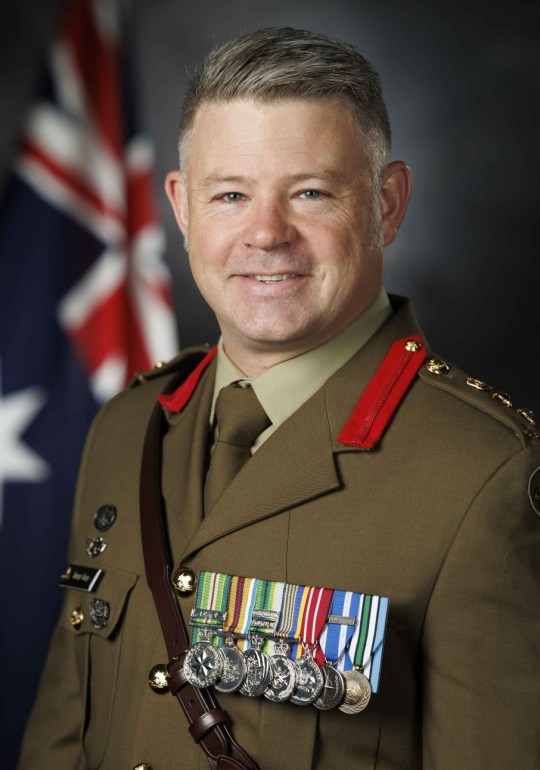
Author: Benjamin Gray
The margin between success and failure in future conflict will not be found in platforms or tactics alone; character and intellect will be an important part of preparing soldiers for war. In September 2024, the Chief of Army (CA), Lieutenant General Simon Stuart, responded directly to this imperative, directing a comprehensive review of the Army profession across the institutional pillars of jurisdiction, expertise and self-regulation.[1] This guidance directs that the Army must reoccupy its intellectual space, renew its professional body of knowledge, and inculcate a virtue ethic fit for the rigours of contemporary war. It requires recalibrating the Army’s professional identity, renewing its ethical foundations and cultivating the ability to thrive in uncertainty, while also emphasising command accountability and institutional trust. In many ways, this requires a reimagining of the Army profession itself—one that places virtue, judgement, and moral courage at the centre of warfighting capability.
The CA’s guidance calls for an institutional, not operational, review of the Army profession, focusing on identity, knowledge and ethical culture. Immediate priorities include command accountability, renewal of professional knowledge, and embedding a virtue ethic suited to contemporary war. This paper demonstrates how virtue ethics strengthens the Army across its three pillars: jurisdiction, expertise and self-regulation. Jurisdiction is reinforced by cultivating civic virtue and moral responsibility; by ensuring soldiers see themselves as national servants, not just warfighters; and by deepening legitimacy and public trust. Expertise is enhanced by embedding practical wisdom into planning and decision-making, fostering adaptive thinking and ethical acuity so professional knowledge is applied with discernment. Most critically, self-regulation is fortified through habituation of character via example, repetition and mentorship, safeguarding against moral drift and institutional failure. Virtue ethics empowers soldiers to act rightly under pressure and hold themselves accountable. It does not merely support the profession; it animates it, providing the ethical architecture to endure the rigours of modern war and flourish as a trusted institution in an era of complexity and competition.
Virtue Ethics
Virtue ethics is a character-based ethical framework that offers a coherent and practical approach to navigating the moral and intellectual friction of battle. Rooted in the philosophy of Aristotle, virtue ethics does not prescribe rules or outcomes but instead focuses on cultivating excellence of character through deliberate practice, repetition and reflection.[2] As a theory, it recommends that individuals pursue a meaningful life by developing virtuous habits, enabling them to act rightly in complex and uncertain situations. In contrast to rule-based or consequence-based models, virtue ethics emphasises the development of moral and intellectual attributes that guide behaviour instinctively and contextually.
Virtue ethics is the oldest ethical theory in Western philosophy and was prominent in various forms in the ancient period (500 BCE to 500 CE).[3] While there are several variants of virtue ethics, the dominant strand is primarily based on Aristotle’s Nicomachean Ethics. This approach focuses on character, believing that an individual can only flourish by cultivating virtues.[4] Three foundational concepts underpin this framework: excellence of character (arete—pursuit of excellence in thought, word and deed), practical wisdom (phronesis—good judgement and discernment, balancing competing demands and adapting to friction) and flourishing (eudaimonia—professional and personal fulfilment attained when one lives in accordance with virtue over the course of a life). Together, these concepts can form an ethical and character architecture that enables soldiers to thrive in the chaos of combat and to endure the moral burdens of war.
Virtue ethics, as an approach, focuses on living a life of moral character through the cultivation of virtuous habits. Individuals acquire virtue through deliberate practice and habituation, enabling sound judgement in complex situations. Once established, these habits become integral to character, guiding choices intuitively.[5] Virtue ethics stresses repetition, reflection, and traits such as courage, temperance and patience. Unlike rule-based theories, it prioritises practical wisdom and moral growth, requiring examples, coaching and experience to apply virtues effectively. Its goal is fulfilment grounded in wisdom and the pursuit of character excellence.[6] The importance of virtues can be emphasised in two ways. First, character attributes are crucial for an individual to appreciate the ethical demands of a given situation. Second, having identified the ethical aspects, these character traits might deliver the stimulus for action. By this process, virtues enable a more discerning and prudent function than by the mechanisms of deontology[7] or consequentialist[8] calculation. Virtue ethics permits individuals to consider consequences and obligations via a method that resolves the intrinsic tension between them.[9] Virtues are intended to provide a practical, contextual solution (not through slavish application or mechanical drills). Some individuals will be more courageous than others, some more patient or generous. Virtue ethics is dynamic and based on understanding circumstances, not just obeying principles or an effect calculus; it is the possession and application of practical wisdom.[10] In the military context, virtue ethics provides a foundation for ethical decision-making that is both resilient and adaptive. It aligns with the doctrinal concept of fighting power,[11] synthesising physical, moral and intellectual components at both the individual and institutional levels. Soldiers can cultivate character attributes that equip them to confront the dilemmas of battle, exercise restraint, and act with courage and integrity. Significantly, virtue ethics does not merely guide action; it shapes identity. It can enable soldiers to flourish as professionals, to pursue mastery and to serve as exemplars within their teams and communities. In this way, virtue ethics animates, offering a pathway to excellence in the Army profession.
The Army Profession—Framework and Foundations
The Army profession in Australia has, since pre-Federation, evolved through conflict, reform and restructuring. The establishment of the Royal Military College in 1911 marked the shift into professionalisation, providing the initial framework for a standing Army. However, it was upon the formation of the Australian Regular Army in 1947 that the Army profession was formalised as a modern construct. This profession is defined by three pillars: jurisdiction, expertise and self-regulation. Jurisdiction articulates the Army’s unique role in society, the provision of a service that civilian institutions cannot replicate. Expertise reflects the cultivation and maintenance of a distinctive and continuously refined body of professional knowledge. Self-regulation is the Army’s capacity to uphold its own standards and hold itself accountable through ethical and professional principles.[12] The pillars form the architecture of institutional trust and operational legitimacy and are the keys to professional mastery. This is not simply a technical issue; it is also ethical, cognitive and cultural, demanding continuous discourse and agility of thought.[13] These pillars are interdependent; together they safeguard integrity, animate professional identity and ensure the Army thrives amid uncertainty and complexity.
Character and ethics form the cornerstone of a professional military identity, fortifying professional character and guarding against a drift into moral deviancy. War’s harsh realities leave lasting moral burdens. Cultivating virtue is essential, not only to guide conduct but to protect soldiers from emotions that erode judgement and integrity. Through deliberate practice, ethical habits foster resilience and informed decision-making, enabling soldiers to balance risk, apply appropriate force, and thrive in challenging environments. Habituated practical judgement fosters equilibrium between recklessness and excessive caution, embedding intellectual and moral reasoning into professional identity.[14] This foundation ensures soldiers act decisively under pressure while upholding the values that sustain trust in the Army profession. However, this process is not incidental; it requires institutional commitment. From the outset, individuals must be incentivised to develop suitable character attributes, a toolkit for judgement and behaviour, and then mentored on how to navigate friction and pursue excellence.[15] The objective is to create an environment where character development is inseparable from tactical proficiency. This will ensure that soldiers are not only technically competent but ethically grounded—capable of acting decisively under pressure while upholding the values that sustain trust in the profession of arms.
Virtue ethics promotes high personal standards and ethical decision-making by cultivating virtues until they become instinctive. Future battles will present complex moral and cognitive challenges that will render rigid frameworks like consequentialism or deontology ineffective in chaotic environments.[16] Soldiers must develop attributes that enable them to make intuitive judgements and avoid paralysis in fast-moving, ambiguous environments. Virtue ethics offers flexibility by focusing on character rather than prescriptive rules, binding individual and institutional identity through leadership, mentoring and culture. Habituation, reinforced by example and coaching, ensures that virtues such as courage, temperance and integrity guide action under pressure. Immersion in virtuous practice can create resilience and sound judgement, improving outcomes for individuals and units and increasing the likelihood of mission success.[17] This approach transforms ethics from compliance into lived identity, equipping soldiers with the skills and attributes to act decisively and ethically in battle.[18] It is essential to understand that there is no single school of virtue ethics theory. Instead, it is a family of theories that comprises multiple perspectives, including those of Aristotle, medieval interpretations such as those of Thomas Aquinas, and more recent ones such as those of Alasdair MacIntyre and Nancy Sherman, among many others.[19] Today, there is significant debate concerning which virtues should be considered morally praiseworthy. However, most theorists agree that fundamental virtues serve as a unifying link that connects various interpretations to the domain of virtue ethics. In The Republic, Plato described his four cardinal virtues: wisdom, justice, fortitude and temperance.[20] Nicomachean Ethics defines Aristotle’s virtues in detail, with much of this permeating into modern thought on the application of virtue.[21] Virtue theory has been embedded in historical works. It heavily influenced Roman philosophy[22] and was later incorporated into Christian theological concepts by religious scholars.[23] The tradition of virtue was prevalent in intellectual and scientific life throughout the 16th, 17th and 18th centuries, with elements reflected in works and objectives ranging from those of Machiavelli to those of the founding fathers of the United States. However, the tradition of virtue diminished as consequentialism and deontology expanded in the modern era.
The modern revival of virtue theory can loosely be traced to the 1958 essay ‘Modern Moral Philosophy’ by Elizabeth Anscombe, which re-energised virtue ethics in Western academia.[24] Subsequently, Michael Stocker detailed various criticisms of deontological and consequentialist approaches in ‘The Schizophrenia of Modern Ethical Theories’, published in 1976,[25] as did Philippa Foot in her 1978 essay collection Virtues and Vices.[26] Significant momentum was generated by Alasdair MacIntyre in 1981 with the publication of After Virtue,[27] which sought to contextualise and apply virtue to modern problems. Equally, Rosalind Hursthouse continued the revival in 1999 with On Virtue Ethics,[28] where she provided an explanation of and argument for contemporary virtue ethics However, in its raw form, virtue ethics has early origins with Socrates and was later developed by Plato and refined/codified by Aristotle. The central vein is that in virtue ethics, morality is generated by an individual’s character instead of being an echo of their actions (or the consequences thereof). Virtue ethics cultivates character through habituation, enabling intuitive ethical judgement in the friction of battle where rules fail. Importantly, it can bind individual and institutional identity, ensuring soldiers act rightly under pressure.
Jurisdiction and the Army in Society
Virtue ethics places ethical responsibility at the core of identity, providing a practical framework for soldiers to reconcile their role as warfighters with obligations to society. The Army’s legitimacy is earned through disciplined conduct, ethical restraint, and a shared sense of purpose. When virtue ethics is embedded in the Army profession, character development aligns both military doctrine and community values, reinforcing trust and accountability. Aristotle emphasised that virtue is shaped within a community and requires deliberate practice. Soldiers must routinely demonstrate ethical conduct, guided by habits that cultivate integrity, courage and judgement. This approach can transform ethics from abstract theory into permanent behaviours, ensuring the Army remains a trusted institution capable of operating ethically under pressure. This strongly complements almost all military cultures, and in the Army context, it aligns exceptionally well with the values of accountability and excellence.[29] A great strength of virtue ethics lies in its ability to link individual character to institutional character. This connection is reinforced through coaching, mentoring, and daily opportunities for practical application.[30] Soldiers are not merely trained to follow rules but are habituated to act with integrity, courage and restraint. These virtues are not only tactical assets but also ensure that the Army remains a trusted institution, capable of operating ethically in battle and accountable to the Australian people.
Crucially, virtue ethics also implies that by living according to ethical standards, individuals experience greater satisfaction or nourishment.[31] Virtue ethics reinforces the Army’s societal role by shaping soldiers as ethical agents, not just combatants. It cultivates virtue and responsibility, sustaining professional identity and public trust. Through habituation and mentorship, soldiers develop character traits that enable them to make ethical decisions intuitively. Maintaining high standards ensures actions reflect integrity and judgement, allowing the soldiers to act decisively under pressure while upholding the values that define the Army profession.[32] To pivot back to the Army’s connection and accountability to society, virtue and moral responsibility within the military profession are best cultivated through a dual approach: institutionally guided frameworks; and practitioner-led examples, coaching and mentorship. Commanders, senior leaders and battalions/regiments provide the ethical scaffolding that expresses shared values, responsibilities and expectations. These frameworks can be used to promote character traits such as integrity, courage, humility and accountability as essential to soldiering. However, character attributes are not instilled by doctrine. They are built by emulating and learning from practitioners, commanders, mentors and peers who model ethical behaviour in daily practice. This practitioner-led approach ensures that virtue is not abstract but lived, shaped by example, coaching and reflection in the context of military service. Within a battalion, regiment, battery, company or squadron, virtue involves acting with the common good in mind, exercising judgement under pressure, and maintaining discipline and honour in complex operational environments. When individuals internalise virtues through habit and community engagement, they become resilient and thoughtful contributors to the profession of arms. This approach strengthens unit cohesion, fosters trust, and guards against moral drift and ethical failure. By linking personal character to collective responsibility, it makes virtue a foundation for ethical soldiering and enduring operational effectiveness.
Military service entails more than tactical skill; it requires ethical clarity, virtue, and moral responsibility. The Army should aspire to reflect national values not only in strategy but in conduct. Virtue ethics provides the framework for achieving this by cultivating character through habituation, mentorship and example rather than imposing external codes. This alignment strengthens legitimacy and trust and facilitates the integration of ethical reasoning and responsibility into a professional identity. Soldiers become ethical agents accountable to each other, the Army profession and the nation they serve. Authority is earned through behaviour, not rhetoric, and virtue ethics harmonises institutional conduct with societal expectations, making it indispensable to the preservation of the Army profession.
Virtue ethics also offers a coherent and culturally resonant framework through which the Army can shape public perception and reinforce trust. In the era of growing strategic competition and scrutiny, the Army’s legitimacy is no longer derived solely from its operational effectiveness; it must be earned through ethical conduct, virtue, and moral responsibility. The Army profession lives within the outcomes of civil–military relations, and its jurisdiction must be defined not by internal assertion but through a shared understanding. By cultivating excellence of character and embedding practical wisdom into everyday conduct, soldiers aspire to become exemplars of the profession. This is foundational, not just performative. When soldiers act with restraint, humility, and moral clarity, they reinforce the Army’s identity as a trusted institution. Public trust is not sustained by rhetoric; it is sustained by behaviour. This additionally enables the Army to communicate its purpose in human terms. It reframes soldiering not as a vocation of violence but as a profession of disciplined service with expertise in war. In doing so, it bridges the gap between military identity and societal expectation. It allows the Army to speak with moral authority, not just tactical credibility. In an age of resurgent competition, this is a necessity.
Virtue ethics can also serve as a critical bridge between the identity of the soldier and the society they serve. In the context of the Army profession, this is more than symbolic. Soldiers are not isolated actors; they are members of a national institution entrusted with the ethical application of force. Their conduct, character and judgement must reflect both the internal standards of the profession and the moral expectations of the broader community. Virtue ethics enables this alignment by cultivating excellence of character, shaped by military doctrine and the realities of the battlespace, and informed by Australian values and cultural norms. Broader social and cultural perspectives significantly influence individual character development, and linking community norms and the Army is crucial for sustaining legitimacy and trust. By embedding virtue ethics into training, education, and leadership development, the Army can develop soldiers who are not only tactically proficient but ethically attuned. This includes integrating virtue into ab initio training, scenario design, and instructional practice, ensuring that soldiers internalise the virtues expected of them as both professionals and citizens. As a result, virtue ethics can become a mechanism for harmonising the Army’s moral landscape with that of the society it defends. This approach reinforces the Army’s jurisdiction by clarifying its role as a disciplined, ethical institution and strengthens public trust by demonstrating that soldiers are guided by good character.
Expertise and Intellectual Foundations
The CA has made it clear that the Army’s professional body of knowledge and its adaptive systems are critical components that require immediate attention, aimed at reoccupying its intellectual space and reasserting expertise in land warfare. This is not an academic indulgence; as the war in Ukraine has demonstrated, conflict is a contest of adaptation, and the Army must assess whether its current systems (doctrine, education and innovation) are fit for purpose. Intellectual renewal is central to the Army’s strengthening of its professional knowledge foundations, not only through doctrinal refinement but also through the cultivation of intellectual agility and ethical reasoning.[33] The CA’s vision is clear: the Army must become more, not less, professionalised. Soldiers must be prepared to think critically, adapt quickly, and lead effectively in complex situations. This is not simply about knowledge; it is about wisdom, judgement, and the ethical application of expertise in war.
The functions of virtue ethics provide a robust framework for intellectual and ethical development by embedding reasoning into the character of the soldier through deliberate practice, reflection, and experience. Unlike rule-based or consequence-driven models, virtue ethics does not rely on external prescriptions; it cultivates internal dispositions that guide behaviour instinctively and contextually.[34] Intellectual virtues are acquired through instruction, learning and coached experience, while ethical virtues are developed through habituation and repetition. Together, these form a unified architecture that can enable soldiers to act with integrity and stamina under pressure. This character-based approach is particularly suited to the tactical realities of the future battlefield, where decisions must be made in ambiguity, time scarcity, and emotional intensity. Virtue ethics equips individuals with practical wisdom, enabling them to apply judgement in context, balance competing demands, and adapt ethically to friction. Virtue ethics is an ultimately practical ethical theory that considers perspectives and viewpoints on approaching the world, absorbing experience, and executing a whole-of-life learning journey.[35] It also fosters excellence of character and professional nourishment through purposeful action, reinforcing the Army’s intellectual and moral components of fighting power. The CA’s guidance on the Army profession reinforces this need for intellectual renewal and ethical resilience, calling specifically for the inculcation of a virtue ethic to prepare soldiers for the moral rigours of contemporary war.
Practical wisdom serves as a critical tool for adaptive thinking and tactical judgement in the contemporary battlespace. In combat, decisions are rarely made in ideal conditions, and soldiers and commanders must respond to unforeseen complexities. Decisions cannot rely solely on rules or procedures; they must be informed by intuitive, contextual judgement. Soldiers must be equipped to assess situations dynamically, balancing risk, mission objectives, and ethical considerations.[36] This cultivated disposition can enable soldiers to act with clarity and restraint under pressure. When paired with experience and technical knowledge, wisdom supports tactical mastery by guiding decisions that are both effective and ethically sound. [37] The tempo of battle, particularly when it occurs as a sequence of close engagements, does not permit commanders extensive time to ruminate on problems or to cycle through a full appreciation and orders process. In these situations, many ethical and intellectual decisions must be informed by intuitive, practical judgement.
However, in some ways, the Army’s current approach to ethics and character education is insufficient to meet the demands of future war. Repetitive modules, compliance-driven briefings, and generic inclusions have diluted the ethical development of soldiers. Virtue ethics offers a more coherent and personally relevant alternative, prioritising character-based learning, mentorship, and situational reinforcement over procedural compliance. To cultivate ethical resilience, the Army must shift from static instruction to self-motivated, lived experience. Generic ethics modules embedded across courses should be consolidated into a single learning experience early in a soldier’s career. This should be reinforced through leadership, not revisited through redundant PowerPoint slides or directed inclusions delivered by specialists. Ethics and character must be embedded into the profession, not appended to it. The emphasis must move from classroom theory to coaching and mentorship. Junior leaders must be empowered to guide soldiers through real-world dilemmas during exercises, operations and planning cycles. Ethical reasoning should be part of after-action reviews, mission rehearsals, and decision-making discussions, not isolated lectures. Practitioner-led scenario-based learning and discussions must replace static briefings. Soldiers should engage with dilemmas drawn from combat, humanitarian operations, and coalition environments. Live, virtual and constructive simulation should be used to explore consequences, ambiguity and ethical friction. Ethics must be reinforced continuously, not episodically. Commanders should lead values-based conversations during training and operations, linking ethical conduct to mission success and effectiveness. Micro-learning could support this model, delivering short, interactive updates on emerging ethical challenges without disrupting unit tempo. Coupled with this should be an aggressive shift from module completion to observed behaviour, with ethical competence and character development tracked through coaching reports and performance reviews, not attendance sheets or lessons delivered.
Critically, military character and ethics must be defined as professional, rather than being influenced by religion, spirituality or cultural relativism. It must be grounded in law, rules of engagement, and Army values, not spiritual doctrine. Chaplain-led ethics sessions should be transitioned to sessions led by trained instructors and leadership mentors, with priority given to junior leaders providing coaching and mentoring. A secular ethics curriculum, rooted in Defence policy, doctrine and international humanitarian law, must become the standard. A secular ethics curriculum enables consistency, clarity and inclusivity. It ensures that all members of the profession, regardless of belief, are trained to the same standard of ethical competence. It removes ambiguity, avoids conflation with personal faith, and reinforces the Army’s identity as a disciplined, accountable institution. In doing so, it strengthens the moral component of fighting power and prepares soldiers to act with integrity in the complexity of future conflict. Ethics must be taught as a professional skill, not a spiritual belief. The battlefield demands it. This approach removes duplication, builds ethical resilience through lived experience, and reinforces the Army profession through leadership influence and coaching. It prepares soldiers not just to know what is right but to act rightly, under pressure, in war.
Virtue ethics enhances fighting power and battle readiness by embedding character-based learning into the intellectual and moral foundations of the Army profession. Fighting power, as defined in Army doctrine, integrates physical, moral and intellectual components to generate warfighting capability.[38] Virtue ethics can provide a coherent framework for developing these components in tandem. In the Nicomachean Ethics,[39] Aristotle, the progenitor of virtue ethics, provides concepts that complement fighting power, particularly the moral and intellectual components. Fighting power is the ‘way in which the Army generates its capacity, through the integration of the physical, moral and intellectual components at both the individual and organisational level’.[40] The intellectual component addresses knowledge of warfare and cognition; the moral component supports culture, values and legitimacy; and the physical component specifies the Army’s capabilities and functions. This is intended to be a unifying concept to harmonise intellect, ethics, will and means. The physical component is simple, focusing on the functions and means of fighting, and is broken down into the elements of combat, combat support, combat service support, and command support. The intellectual and moral components are more complex as they involve the integration of individuals and groups, fighting culture, will and morale. The framework of virtue ethics, already divided into intellectual and moral virtues, nests exceptionally well into the intellect and moral components.[41] The Army’s concept of mission command and its approaches to the moral/ethical problems of modern combat have not changed significantly since adopting residual ‘AirLand Battle’ concepts from the United States in the 1980s.[42] This envisioned fast-paced combat across a linear battlefield and simultaneously over the full dimensions of the area of operations. However, the AirLand Battle was designed for a fighting organisation of the scale and depth of the US Army in combination with the US Air Force, which is inappropriate for the small, less mechanised, and relatively shallow Australian Army. It took several decades to mature the warfighting philosophy and embed the concepts of manoeuvre theory, mission command, and combined arms teams in a way suitable to the Army’s scale and culture; during this time, the character of the conflict the Army was committed to changed several times. Unbridled application of Boyd’s OODA loop[43] is the aim and the necessity for the future. Still, the force must be empowered to do so to achieve decision superiority as an offset to the adversary’s attritionist mass (which has historically been the aim of Australian manoeuvre theory). The fleeting opportunities, culminating points, gaps in adversary formations, and momentary breaks in courage or morale are the locations in time and space where battles are won and lost. This being the case, slavish adherence to doctrine and linear procedures are likely to result in cognitive overload, culmination, and constrained thinking/adaptation.[44] When people face sequential, cumulative or simultaneous intellectual dilemmas, there is a high probability of decision paralysis—fracturing the decision cycle and losing fleeting opportunities to exploit adversary vulnerabilities.
All concepts of warfighting are intended to overcome the unknown and ambiguous factors of battle friction.[45] In Organic Design for Command and Control, John Boyd stated that ‘friction is generated and magnified by menace, ambiguity, deception, rapidity, uncertainty, mistrust’.[46] Conceptually, manoeuvre theory is a ‘habit of thinking about the purpose of engagements, battles, campaigns’ and how to understand, adapt to and exploit ‘all those little things that go wrong when an army tries to move or fight’.[47] Manoeuvre theory, like virtue ethics, approaches the pursuit of success by seeking balance, accepting friction and ambiguity, and framing success in terms of time and understanding rather than by position and method alone.[48] Additionally, manoeuvre theory avoids rigid, slavish patterns, recipes and formulas. Unfortunately, while the Army wants to fight in a manoeuvrist style, it has consistently veered towards attritionist methods.[49] As William Lind stated in his Manoeuvre Warfare Handbook, a ‘slugging match against someone much stronger than yourself is never very promising. Even if you win, the cost is usually high’.[50] Also, current trends are edging towards progressively more violent engagements that are more devastating. The combination of costly battles, exhausted forces, and increased tempo and firepower results in a corresponding increase in demoralisation and combat fatigue.[51] This in turn increases the likelihood of mistakes, ethical transgressions, and errors in planning, command and judgement.
At the tactical level, where battles and engagements are executed, the environment is defined in ADF-P-0 Military Ethics as ‘volatile, uncertain, chaotic and ambiguous’, where ‘fear, fatigue, stress, injuries or grief are added’ and heightened.[52] Ethical and intellectual habits can be cultivated, calibrated and employed to balance risk (individual, team and mission), determine the appropriate level of violence to respond to adversary action, and understand and thrive in battle.[53] Cultivating and habituating practical judgement will undoubtedly generate the ‘mean’ between imprudent risk and excessive caution, a mental process that hard-wires intellectual and moral reasoning into a soldier’s professional identity.[54] From the outset, the collective and the individual must be equipped with appropriate character attributes and a toolkit for judgement and conduct, and then coached throughout their service life on how to navigate friction and pursue excellence sequentially. The practical reality is that deeply embedded individual and institutional attributes are often more critical than legal restrictions; legalities are repeatedly observed only as long as others respect them or if they are enforced by the collective and valued by the institution.[55] The primary aim, regardless of function (commander, planner or individual combatant), is to embed character traits and skills within the Army profession that prioritise recognising and executing the appropriate course of action. This is particularly important when practical judgement is required in circumstances where specific rules do not provide clear guidance. In this moment of friction or ambiguity, individuals must leverage their professional character, cultivated dispositions, and the attributes the Army profession has fostered and habituated within them.[56] In Beyond Compliance, the 2011 report on ADF personal conduct, Craig Orme described this type of behaviour as the ‘extreme levels of strength of individual character required to generate and sustain extra-ethical virtuous behaviour under conditions of high moral intensity’.[57] Character-based learning, grounded in the Army profession, equips soldiers to make rapid, ethically sound decisions under pressure. Rather than relying on rigid procedures, this fosters intuitive judgement through habituation. Soldiers learn to act rightly not by memorising rules but by emulating virtuous behaviour, practising ethical decision-making, and internalising the standards of the profession. This process enhances tactical agility, supports initiative and reinforces disciplined restraint, qualities central to mission command and manoeuvre theory.
Self-Regulation and Ethical Conduct
The review of the Army profession identifies command accountability, the inculcation of a virtue ethic, and the renewal of risk culture as critical components of institutional reform. These elements form the backbone of the Army’s capacity for self-regulation—potentially the most challenging and consequential pillar of the profession. Command accountability is not simply a policy; rather, it is an obligation and a professional duty. Additionally, the CA’s review highlighted the need for assessing systems, professional practice, and institutional culture to ensure they are fit for purpose in an era of expanding risk. Risk is the currency of battle, and the Army must instil a mindset that embraces risk as a necessary component of combat decision-making. Virtue ethics is highly compatible with aggressive initiative, the exploitation of opportunities, judgement, and rapid decision-making. It places a significant emphasis on individual judgements, assessments and actions. During combat, there is a need to reduce disruption as much as possible to pursue ‘spur-of-the-moment choice’.[58] Reducing deliberative preparation and instead, stressing that actions flow spontaneously from character and judgement can assist this.[59] It is critical that, in the quest for ethical compliance, this is not disrupted by a process that requires individuals to navigate a complex ethical analysis framework; the point is to expedite individual and collective decision-making cycles and aid in achieving temporal dominance.[60] As identified by the soldier, journalist and historian SLA Marshall in his work Men Against Fire, it is ‘plasticity of mind’ that is the desirable cognitive disposition in a commander;[61] a tactical commander must be able to creatively and flexibly emplace and manoeuvre forces to accomplish tasks and to make prudent judgements and rapid decisions under pressure. Rapid planning, rapid adaptation, and aggressive execution are essential, and command in this environment is not an exact science with blueprints or formulas that can be applied to each situation. Ultimately, commanders will apply virtues relevant to the tactical circumstances that instinctively guide their actions and deeds, without going through multiple steps of a decision-making process.
Command is defined as ‘the authority which a commander in the military service lawfully exercises over subordinates by virtue of rank or assignment’.[62] This also includes authority and responsibility for planning the employment of, organising, directing, coordinating and controlling forces elements, as well as responsibility for individual soldiers.[63] Commanders bear responsibility for assigning soldiers to missions that may or will result in their death, as an accepted fact. An example of this is a deception operation that results in casualties but no tangible benefit beyond misdirection or cognitive manipulation of the enemy.[64] There are multiple uncertainties and operational risks inherent in battle,[65] and the weight of carrying the deaths of soldiers resulting from directions and judgements made is part of the ongoing burden of command. Commanders carry this across all elements of preparation for and execution of battle, as well as in their responsibility for training and discipline, orders and conduct, and the methods and means of combat execution.[66] Critically, because of command decisions, judgements and orders, soldiers willingly risk life and limb to perform their duties. This is a ‘grave moral responsibility’, and while it has been a long time since officers were expected to lead their soldiers towards the enemy boldly, there is still the need to impose restraint, sacrifice, and clarity of purpose so that lives are not expended or taken needlessly or immorally.[67] Command is the fusion point of procedural science and tactical execution; the balancing of risk and pre-battle decisions for which the consequences cannot be seen and are only assumed. At this point, the fusion of ethics and intellect occurs. It enables a commander to make a balanced and wise decision about the employment of forces, informed by the environment, aggression, and judgement of human potential.[68]
The Army’s ethical resilience depends on lived leadership, not policy alone. Command accountability, character development, and mentorship are essential in an era of complexity and moral risk. Accountability is more than oversight; it is ethical leadership, requiring commanders to take ownership of their decisions and the climate they create. Failures such as misconduct or atrocity stem from leadership lapses, not anomalies. Embedding character development reinforces this imperative. Soldiers guided by virtue ethics pursue excellence as an intrinsic goal, shaped by mentorship and example. Observing and emulating leaders of integrity, courage and wisdom transforms ethics from mere compliance into an active professional identity. In the Army, where teamwork and mastery are incentivised, the institution is well suited to on-board character-based learning. This is the primary means by which ethical standards are transferred, reinforced and sustained. It is not a passive exchange; it is an active, lived relationship. Leaders must coach juniors through real-world dilemmas, guide them in ethical reasoning, and demonstrate the Army profession through their own actions. This is how character is built—not in lectures but in moments of decision and human connection.
Virtue ethics safeguards against moral drift and ethical blindness by cultivating a deeply embedded framework of character, judgement and ethical awareness that persists even under the pressures of combat. Soldiers are vulnerable to ethical erosion not because they lack training but because repeated exposure to violence, emotional fatigue, and institutional processes can suppress ethical considerations until they fall below the threshold of detection.[69] In such environments, individuals may act in ways that violate moral standards without being aware of it, a form of ethical blindness. A future risk is that as battle is gradually conducted more by technology, we might fall prey to disconnecting moral considerations from tactical employment.[70] Furthermore, individuals can suffer from ethical blindness in the battlespace; otherwise good people can find themselves transgressing without even realising it.[71] Clinical research on selective attention suggests that people tend to perceive what they expect to see and often fall prey to target fixation or immediate objectives, failing to acknowledge ethical issues even when they are glaringly apparent.[72] However, when soldiers are ethically attuned to complexity and ethical friction, this can assist them in approaching dilemmas, killing and battle, and prevent them from becoming ethically anaesthetised by their situation. Nancy Sherman identifies that for soldiers ‘guilt is often a testament to a sense of moral accountability in the use of lethal force’.[73] The sense of responsibility can also keep morality at the forefront and ensure that it remains in consideration despite the corrosive nature of war. She observes that this feeling of personal accountability and responsibility can often be sanitised or ‘squeezed out’ in large military forces.[74] Virtue ethics counters this by habituating excellence of character through deliberate practice and reflection. It equips soldiers to discern ethical dimensions even in chaotic or ambiguous situations. This ethical acuity is not procedural; it is instinctive, and soldiers of good character are more likely to resist emotional calcification, moral disengagement and the corrosive effects of prolonged exposure to combat stress. By embedding this into the profession, the Army can reinforce ethical acuity and ensure that moral reasoning remains active and visible. In doing so, it can transform ethical conduct from a compliance requirement into an organisational characteristic, safeguarding the profession against the slow erosion of standards that history has shown to be both real and consequential.
Critically, it is highly probable that in the future, tactical force elements and command and control (C2) nodes will be physically distributed across the battlespace by choice and necessity, with terrain and threat dictating this distribution. The Russia–Ukraine War has revealed that electromagnetic signature management is vital and that command post constructs of past decades cannot survive in modern battles.[75] Linked to this is that teams of various sizes will be tasked and employed with significant independence, freedom and distance. Rapid decision-making (ethical and intellectual) in complexity and danger will be required, necessitating the empowerment of lower levels of command with less experience and skills. The distributed force elements will crew platforms and command systems at the tactical level that may have a strategic impact. While they will not necessarily hold the authority for engagement, they will be required to be responsive to release effects. Authorities, delegations and responsibilities will form an evolving mosaic rather than a simple vertical chain of command.[76] Commanders, junior leaders, and teams must make independent, rapid assessments of tactical and moral problems without assistance from higher HQs or command elements. They will need to accept substantially more responsibility and accountability due to the physical and intellectual demands of an extended battlefield.[77] Geographic and cultural factors, such as terrain, national boundaries, ethnic tensions, cultural optimisation, and revolution, as well as globalism, will all congest and complicate how the Army is expected to fight. The interpretation of customary battlespace norms is likely to evolve more quickly than legal statutes and other laws.
Existing and Alternative Approaches
The ADF’s doctrinal approach to ethical decision‑making, as distilled in ADF‑P‑0 Military Ethics, seeks to blend elements of natural law theory, the ‘just war’ tradition, deontology, consequentialism, Defence values, and virtue ethics into a single, universal framework. Yet this fusion produces an approach that is conceptually diluted, internally inconsistent, and poorly suited to the realities of tactical decision‑making.[78] ADF‑P‑0 Military Ethics presents ethical analysis as a linear, procedural sequence (checking legality, intention, values alignment, and reflection), but this imitates staff planning rather than the immediacy of combat, where time is scarce, information is incomplete, and decisions require intuitive rather than formulaic reasoning. Its conceptual base is also unstable: natural law theory is minimally explained and inappropriately conflated with the just war tradition, while consequentialist elements appear implicitly in processes the doctrine shuns. The result is an awkward merger that is at dissonance with existing doctrinal procedures and requires steps already completed elsewhere in the planning process, creating unnecessary duplication. Most critically, the framework fails to provide practical means for soldiers to apply ethical judgement in environments defined by chaos and friction. It is heavy on theory, light on practicality, and lacking any mechanism for habituation, coaching, or practitioner‑led development—the very elements required to prepare soldiers for ethical action under pressure.
The most common alternatives to virtue ethics are consequentialism and deontology. Both offer distinct strengths and vulnerabilities when applied to military decision‑making. Consequentialism initially appears sensible because it centres on achieving the best outcome and mirrors aspects of military planning—assessing effects, estimating outcomes and weighing benefit. However, its weakness lies in the impracticality of accurately predicting consequences in chaotic environments. As a result, consequentialist reasoning is vulnerable to over‑extension, fixation, and the justification of harmful actions for a perceived greater good. Deontology, by contrast, offers simplicity through duty, rules and obligations. Its simplicity transfers neatly into hierarchical military structures and externally imposed constraints such as the law of armed combat and the rules of engagement. Yet this strength is also its liability. In combat, rigid adherence can lead to obstinacy and decision paralysis, or enable individuals to abandon responsibility under the justification of ‘just following orders’. Both frameworks struggle when applied in tempo, friction and distributed C2: consequentialism collapses under the weight of unknowable outcomes, while deontology fails to adapt to rapidly shifting conditions where rules cannot account for context or nuance.[79] Importantly, both consequentialism and deontology remain appropriate and necessary frameworks for consideration within the Army’s ethical landscape. Both are embedded in ADF doctrine, planning processes, and professional military education, and both align closely with core elements of the just war tradition by emphasising outcomes, proportionality, duty and restraint. Nevertheless, while both are indispensable as regulatory, planning and decision-support frameworks, neither provides a sufficient foundation for the Army profession itself, as neither sufficiently cultivates the character, judgement and agency the CA has identified as essential for soldiers operating under conditions of uncertainty, decentralised authority, and ethical risk.
Implementation Pathways
Embedding virtue ethics into courses, training programs and instructional practice enabled through the ‘Analyse’ and ‘Design’ phases of the Systems Approach to Defence Learning (SADL) could further expand character development, a foundational element of the Army profession. Additionally, instructional staff model virtuous behaviour, reinforcing ethical standards through example and, in doing so, transform professional character and ethics from doctrinal concepts into capability, preparing soldiers not only to fight but to lead, endure and flourish in the moral complexity of future war.
There is an opportunity to map virtue ethics into the SADL, as it can provide a scalable and coherent method for embedding ethical resilience across the Army profession. The SADL’s structured phases (Analyse, Design, Develop, Implement, Evaluate) provide a practical framework for deliberately cultivating, assessing and reinforcing character development. In the Analyse phase, virtue ethics informs the identification of ethical and intellectual friction points relevant to rank, role and battle context. This includes charting the ethical demands of tactical decision-making, command accountability and planning complexity. In the Design phase, learning outcomes are shaped around the cultivation of excellence, wisdom and professional nourishment, ensuring that ethical reasoning is embedded within doctrinal, tactical and leadership content. During Development, training materials and scenarios can be constructed to reflect the ethical realities of contemporary warfighting. This includes the deliberate use of dilemmas, ambiguity and ethical risk to habituate judgement and restraint. Implementation should require instructors not only to deliver content but also to model virtuous behaviour, reinforcing ethical standards through example and mentorship. Finally, the Evaluate phase assesses not only knowledge retention but also ethical conduct, decision-making under pressure, and alignment with Army values. This application transforms virtue ethics from a conceptual proposal into a practical framework, embedded across the continuum of professional development. It ensures that soldiers are taught not merely what to think but how to act—ethically, adaptively and with integrity. In doing so, it operationalises the vision for institutional renewal.
Designing collective training scenarios with ethical friction requires a deliberate fusion of doctrinal training design principles and the philosophical underpinnings. The goal is to create realistic, immersive environments where soldiers must navigate complex tactical problems while exercising ethical judgement under pressure. Training must go past technical proficiency; it must also contest character, judgement and decision-making. Training designers begin by analysing the unit’s operational role and identifying tasks where ethical dilemmas are likely to emerge, such as rules of engagement, treatment of non-combatants, or decisions under uncertainty. From this, the scenario objective can be crafted to include ethical decision points. These scenarios can be designed to test not only tactical execution but also the application of courage, temperance and judgement. Critically, this must be blended craftily throughout the training rather than being confined to standalone ethics scenarios, which feel disembodied from the rest of the training. For example, it feels awkward and forced when soldiers go through weeks of exercise without a single ethical dilemma, only to face a single scenario during a culminating action. Simulation and live training can be blended to increase realism, with friction introduced through unpredictable events, moral ambiguity, and time pressure.
Institutionally guided and practitioner-led ethics and character development represent a dual approach to cultivating excellence within the Australian Army. Institutionally, the Army provides the philosophical framework, rooted in the Army profession, through doctrine, endorsed expectations, and command guidance. This establishes a shared understanding of ethical expectations and professional standards across the force. However, character development cannot be achieved solely through policy. It must be led by practitioners (commanders, mentors and peers) who model virtuous behaviour in daily practice. This practitioner-led approach ensures that ethics are not abstract ideals but experiences that are shaped by example, coaching and reflection within the context of war. An Army virtue ethic can be inculcated through vicarious learning, mentoring, and crucible experiences, rather than through rigid instruction. By linking individual character to institutional culture, the Army fosters a profession where ethical conduct is intuitive, resilient and contextually grounded. This approach not only strengthens battlefield performance but can safeguard against moral drift and ethical failure, ensuring soldiers are equipped to act with integrity, courage and judgement in complex operational environments.
Conclusion—Preparing the Soldier for the Road
The Army profession must be renewed across its pillars (jurisdiction, expertise and self-regulation) to meet the demands of future war. Success will not hinge on platforms or procedures but on the character, intellect and ethical resilience of soldiers. Virtue ethics offers a practical framework to reinforce these pillars, embedding ethical responsibility and judgement into the profession.
Jurisdiction is strengthened by cultivating virtue, ensuring soldiers see themselves not only as warfighters but as ethical agents serving Australia. This alignment earns legitimacy through disciplined conduct and ethical restraint. Expertise is enhanced by integrating practical wisdom into planning and decision-making, fostering adaptive thinking and ethical acuity. Soldiers trained in virtue ethics can navigate complexity, act decisively, and apply professional knowledge with discernment. Finally, self-regulation is fortified through habituation of character via example, repetition and mentorship, safeguarding against moral drift and institutional failure.
Virtue ethics prepares soldiers for the road ahead by transforming ethics from a compliance-based approach into a professional identity. It operationalises the CA’s vision, equipping soldiers with both conscience and capability. In battlespaces defined by velocity, ambiguity and risk, virtue ethics can cultivate integrity under pressure, embed ethical reasoning into rapid decision-making, and foster mastery in the face of adversity.
Endnotes
[1] Simon Stuart, ‘The Human Face of Battle and the State of the Army Profession’ (speech), Chief of Army Symposium, Melbourne, 12 September 2024, transcript at: www.army.gov.au/news-and-events/speeches-and-transcripts/2024-09-12/chief-army-symposium-keynote-speech-human-face-battle-state-army-profession.
[2] P Stonehouse, P Allison and D Carr, ‘Aristotle, Plato and Socrates: Ancient Greek Perspectives on Experiential Learning’, Sourcebook of Experiential Education: Key Thinkers and Their Contributions (Routledge, 2011), p. 6; B Gray, ‘Aristotelian Battle Ethics: An Examination of the Utility of Aristotelian Virtue Ethics for the Australian Army at the Tactical Level of War’, MA thesis, UNSW, 2025, pp. 39–40.
[3] D Stewart, H Blocker and J Petrik, Fundamentals of Philosophy, 8th edition (Pearson, 2012), p. 311.
[4] N Warburton, Philosophy: The Basics, 5th edition (London: Routledge, 2013), p. 53.
[5] Gray, ‘Aristotelian Battle Ethics’, pp. 39–42.
[6] Australian Defence Force, ADF-P-0 Military Ethics (Commonwealth of Australia, 2021), p. 16.
[7] Definition: Deontology is a category of ethical theories that incorporate a duty-based approach that uses the rightness or wrongness of action as the determining factor for decisions and judgements. Deontology stresses that everyone has specific duties and that acting morally amounts to doing our duty, whatever the consequences.
[8] Definition: Consequentialism is an ethical concept that prioritises the outcomes of an action, determining the rightness or wrongness of an action on the basis of the consequences which ensue from it. As a class of theories, it is outcomes focused and supports the idea that an action is good if the consequences are good. Utilitarianism is the most dominant consequentialist approach. At the core of utilitarianism is the choice between two or more sets of outcomes. Any moral conflict is settled not in terms of the primacy of duty or virtuous actions but by determining which set of consequences maximises benefit to the greatest number of people affected by the course of action in question.
[9] K Beurskens and C Pfaff, Maintaining the High Ground: The Profession and Ethic in Large-Scale Combat Operations (Fort Leavenworth KA: Army University Press, 2021), p. 61.
[10] N Warburton, Philosophy: The Classics, 4th edition (London: Routledge, 2014), p. 137.
[11] Australian Army, LWD 1 The Fundamentals of Land Power (Commonwealth of Australia, 2017), p. 37.
[12] Stuart, ‘The Human Face of Battle and the State of the Army Profession’.
[13] Ibid.; Simon Stuart, ‘The Challenges to the Australian Army Profession’ (speech), National Security College, Australian National University, Canberra, 25 November 2024, transcript at: www.army.gov.au/news-and-events/speeches-and-transcripts/2024-11-25/challenges-australian-army-profession.
[14] Stewart et al., Fundamentals of Philosophy, p. 278.
[15] Gray, ‘Aristotelian Battle Ethics’, p. 52.
[16] M Skerker, D Whetham and D Carrick, Military Virtues (Howgate, 2019), p. 2; Gray, ‘Aristotelian Battle Ethics’, pp. 39–42.
[17] Warburton, Philosophy: The Classics, p. 137; Gray, ‘Aristotelian Battle Ethics’, pp. 40–42.
[18] Linda Trinkaus Zagzebski, Virtues of the Mind: An Inquiry into the Nature of Virtue and the Ethical Foundations of Knowledge (Cambridge University Press, 1996); A Marshall and M Thorburn, ‘Cultivating Practical Wisdom as Education’, Educational Philosophy and Theory 46, no. 14 (2014): 1541–1553.
[19] T Demy, Ethics and the Twenty-First-Century Military Professional, Van Beuren Leadership and Ethics Series 2018/2 (Newport RI: Naval War College Press, 2018), p. 112.
[20] Plato, The Republic, trans. A Lee (New York: Penguin Books, 1987), pp. 57–69.
[21] Nicomachean Ethics, 1107a. Aristotle, The Nicomachean Ethics, trans. A Beresford (London: Penguin Books, 2020), p. 39.
[22] Cicero, Selected Letters, trans. DR Shackleton-Bailey (New York: Penguin Books, 1982); Cicero, Selected Political Speeches, trans. M Grant (New York: Penguin Books, 1982).
[23] T Aquinas, Commentary on Aristotle’s Nicomachean ethics, trans. CI Litzinger (Notre Dame IN: Dumb Ox, 1993).
[24] E Anscombe, ‘Modern Moral Philosophy’, Philosophy 33, no. 124 (1958).
[25] M Stocker, ‘The Schizophrenia of Modern Ethical Theories’, The Journal of Philosophy 73, no. 14 (1976).
[26] P Foot, Virtues and Vices and Other Essays in Moral Philosophy (Oxford University Press, 1978).
[27] A MacIntyre, After Virtue (University of Notre Dame Press, 1981).
[28] R Hursthouse, On Virtue Ethics (Oxford University Press, 1999).
[29] Gray, ‘Aristotelian Battle Ethics’, pp. 39–40.
[30] N Sherman, The Fabric of Character: Aristotle’s Theory of Virtue (Oxford: Clarendon Press, 1989), p. 4; J Carafano, ‘Future Technology and Ethics in War’, Utah Law Review 2013, no. 5 (2013): 1269.
[31] Stewart et al., Fundamentals of Philosophy, p. 278.
[32] Gray, ‘Aristotelian Battle Ethics’, p. 40.
[33] M Osiel, Obeying Orders: Atrocity, Military Discipline & the Law of War, 3rd edition (Traction Publishing, 2009), p. 7.
[34] Gray, ‘Aristotelian Battle Ethics’, p. 54.
[35] Sherman, The Fabric of Character, p. 7; W Hardie, Aristotle’s Ethical Theory (Oxford: Clarendon Press, 1968), p. 19.
[36] JW Lussier and SB Shadrick, Adaptive Thinking Training for Tactical Leaders (Fort Knox KY: U.S. Army Research Institute, 2004), p. 3.
[37] Gray, ‘Aristotelian Battle Ethics’, p. 75.
[38] Aristotle, The Nicomachean Ethics; Gray, ‘Aristotelian Battle Ethics’, p. 86; E Beyhan and B Küçükuysal, ‘Virtue Ethics in Aristotle’s Nicomachean Ethics’, International Journal of Human Sciences 8, no. 2 (2001): 45.
[39] Aristotle, The Nicomachean Ethics.
[40] LWD 1 The Fundamentals of Land Power, p. 48; Australian Defence Force, ADF-C-0 Australian Military Power (Commonwealth of Australia, 2021), p. 20.
[41] LWD 1 The Fundamentals of Land Power, p. 37; Gray, ‘Aristotelian Battle Ethics’, p. 86.
[42] US Army tactical doctrine in 1989 was drawn from the AirLand Battle concepts that were formalised in Field Manual 100-5, Operations, August 1982 (revised May 1986). R Leonhard, The Art of Maneuver: Maneuver-Warfare Theory and AirLand Battle (Ballantine Books, 1991), pp. 1–3.
[43] The OODA loop (observe, orient, decide, act), or Boyd cycle, is a decision-making model developed by US Air Force Colonel John Boyd after his experiences of dogfighting in the Korean War. It is an iterative feedback model applied to the combat process.
[44] Gray, ‘Aristotelian Battle Ethics’, pp. 48–50; J Boyd, Organic Design for Command and Control (Air University Press, 1987), p. 8.
[45] C von Clausewitz, On War, ed. and trans. M Howard and P Paret (Princeton University Press, 1976), p. 69, quoted in T Powers and R Tremain, Total War: What It Is, How It Got That Way (New York: W. Morrow, 1988), p. 107.
[46] Boyd, Organic Design for Command and Control, p. 8.
[47] D Hooker (ed.), Maneuver Warfare: An Anthology (Presidio Press, 1993), p. ix; Leonhard, The Art of Maneuver, p. 242.
[48] LWD 1 The Fundamentals of Land Power, p. 32; ADF-C-0 Australian Military Power, p. 21.
[49] W Lind, Maneuver Warfare Handbook (Westview Press, 1985), p. 7; A Palazzo, Land Warfare: An Introduction for Soldiers, Sailors, Aviators and Defence Civilians, Australian Army Occasional Paper No. 14 (Australian Army Research Centre, 2023), p. 28.
[50] Lind, Maneuver Warfare Handbook, p. 2.
[51] J Dunnigan, How to Make War: A Comprehensive Guide to Modern Warfare in the 21st Century, 4th edition (HarperCollins, 2003), p. 293.
[52] ADF-P-0 Military Ethics, p. 35.
[53] Demy, Ethics and the Twenty-First-Century Military Professional, pp. 79–80.
[54] Osiel, Obeying Orders, p. 7.
[55] Demy, Ethics and the Twenty-First-Century Military Professional, p. 19.
[56] Osiel, Obeying Orders, p. 37.
[57] C Orme, Beyond Compliance: Professionalism, Trust and Capability in the Australian Profession of Arms: Report of the Australian Defence Force Personal Conduct Review (Commonwealth of Australia, 2011), p. 47.
[58] Nicomachean Ethics, 1117a20-2. Aristotle, The Nicomachean Ethics, p. 68.
[59] Sherman, The Fabric of Character, p. 40.
[60] Gray, ‘Aristotelian Battle Ethics’, p. 109.
[61] SLA Marshall, Men Against Fire: The Problem of Battle Command in Future War (Peter Smith, 1947), p. 108.
[62] Australian Defence Force, ADF-P-0 Command and Control, 2nd edition (Commonwealth of Australia, 2021), p. 123.
[63] K Devitt, M Gan, J Scholz and R Bolia, A Method for Ethical AI in Defence, DSTG-TR-3786 (Defence Science and Technology Group, 2020), p. 21.
[64] Gray, ‘Aristotelian Battle Ethics’, p. 61.
[65] J Chung and S Wark, Visualising Uncertainty for Decision Support, DST-Group-TR-3325 (Defence Science and Technology Group, 2016), p. 3.
[66] M Cook, ‘Ethical Issues in War’, U.S. Army War College Guide to National Security Policy and Strategy (U.S. Army War College, 2006), p. 27.
[67] Ibid., p. 30; J De Bloch, The Future of War in Its Technical Economic and Political Relations, trans. RC Long (The World Peace Foundation, Atheneum Press, 1914), p. 438.
[68] Gray, ‘Aristotelian Battle Ethics’, pp. 61–61.
[69] Ibid., p. 75; G Davis, Warcraft and the Fragility of Virtue: An Essay in Aristotelian Ethics (Moscow ID: University of Idaho Press, 1992), p. 85.
[70] S Hovd, ‘Tools of War and Virtue: Institutional Structures as a Source of Ethical Deskilling’, Frontiers in Big Data 5 (2023): 3.
[71] S Longstaff, ‘Military Ethics and Its Application to the Australian Defence Force’, United Service 71, no. 3 (2020): 2.
[72] M Bazerman and A Tenbrunsel, Blind Spots: Why We Fail to Do What’s Right and What to Do About It (Princeton NJ: Princeton University Press, 2011); M Drumwright and P Murphy, ‘How Advertising Practitioners View Ethics: Moral Muteness, Moral Myopia, and Moral Imagination’, Journal of Advertising 33, no. 2 (2004): 7–24.
[73] N Sherman, The Untold War: Inside the Hearts, Minds, and Souls of Our Soldiers (W.W. Norton & Company, 2010), p. 91.
[74] Ibid., p. 91.
[75] J Nagl and K Crombe, A Call to Action: Lessons from Ukraine for the Future Force (U.S. Army War College Press, 2024), p. 26.
[76] Australian Defence Force, Integrated Campaigning: The Australian Defence Force’s Capstone Concept (Commonwealth of Australia, 2022), p. 3.
[77] Gray, ‘Aristotelian Battle Ethics’, p. 86.
[78] For a recent discussion on this in the context of Australia, see Chapter 1 ‘Alternative Approaches’, in Gray, ‘Aristotelian Battle Ethics’, pp. 18–36.
[79] Ibid., pp. 18–36.